
Individual Substance Use Psychotherapy
Substance use counseling grounded in harm reduction, curiosity, and respect for your autonomy. A space where you can come explore the possibilities of changing your relationship to substances, whether that be abstinence, moderation, maintaining recovery, keeping things the same, or anything in between.
I work with adults navigating their relationship with alcohol, cannabis, stimulants, opioids, and just about any other substance you can think of.
Does your substance use have to be a problem for you to want something different?
Maybe you’ve been questioning your relationship with alcohol or other substances, but you’re not sure whether your use is really that bad.
Perhaps you’ve spent more time trying to figure out whether your use qualifies as a problem than considering how you actually feel about it.
What if, instead of asking whether your use is bad enough to be a problem, we started by asking whether it’s helping you live the life you want to live?
Does any of this sound familiar?
“I’m doing great at work, so how much of a problem can it really be?”
You’re meeting your responsibilities, advancing in your career, and generally keeping your life together.
“I’ve tried AA or been to rehab, and I couldn’t relate to the people there.”
Perhaps the people, expectations of abstinence only programming, or experiences didn’t reflect your own. So you assumed that meant you didn’t have a problem or treatment couldn’t be helpful.
“At least I’m not like my mom, dad, grandparent, or some other random person you’ve seen behave in a way you never have or would.”
Maybe you don’t become aggressive like someone you know, or you feel like you have more control over it than you’ve seen family members have in the past..
“I don’t want anyone knowing I’m seeking help for my substance use.”
Maybe you’re a public figure, a healthcare provider, a professional in a highly visible role, or maybe you simply value your privacy. The thought of being recognized at a recovery meeting or having others learn about your substance use has kept you from seeking support.
You’ve gone months without using before, maybe even periods of a year or longer.
You tell yourself if you’ve been able to stop for long periods, how concerning could your current use really be?
“I don’t even meet the criteria for a substance use disorder” or “Anyone could meet the criteria for a substance use disorder”
Maybe you’ve have looked up the criteria yourself or taken one of those online tests to see if you really have an issue, and you have decided your use doesn’t qualify or that it is so subjective anyone could qualify.
And maybe all of those things are true.
Maybe acknowledging concerns feels like confirming your partner’s suspicions. Maybe you don’t want to identify as someone with an “addiction”, or you’re afraid that questioning your use means you’ll have to stop altogether. Maybe admitting your use isn’t where you would like it to be leads you to judging yourself, you have no self-control or you can’t handle your life.
You don’t have to prove that your substance use is harmful to deserve the space to explore it.

Or maybe you know your substance use is a problem, but changing it has been harder than you expected and the traditional models of treatment just aren’t working.
Maybe you’ve tried to stop using, perhaps more than once, and you’re frustrated that you keep returning to something you genuinely don’t want to do anymore.
Sometimes we’re so focused on the consequences of our substance use that it’s difficult to a knowledge what we still enjoy, need, or find helpful about it.
Understanding what draws you back to a substance isn’t the same as endorsing its continued use in your life. An important part of figuring out how to make the changes you want, is understanding what got you to start and what keeps sustaining your use to begin with.
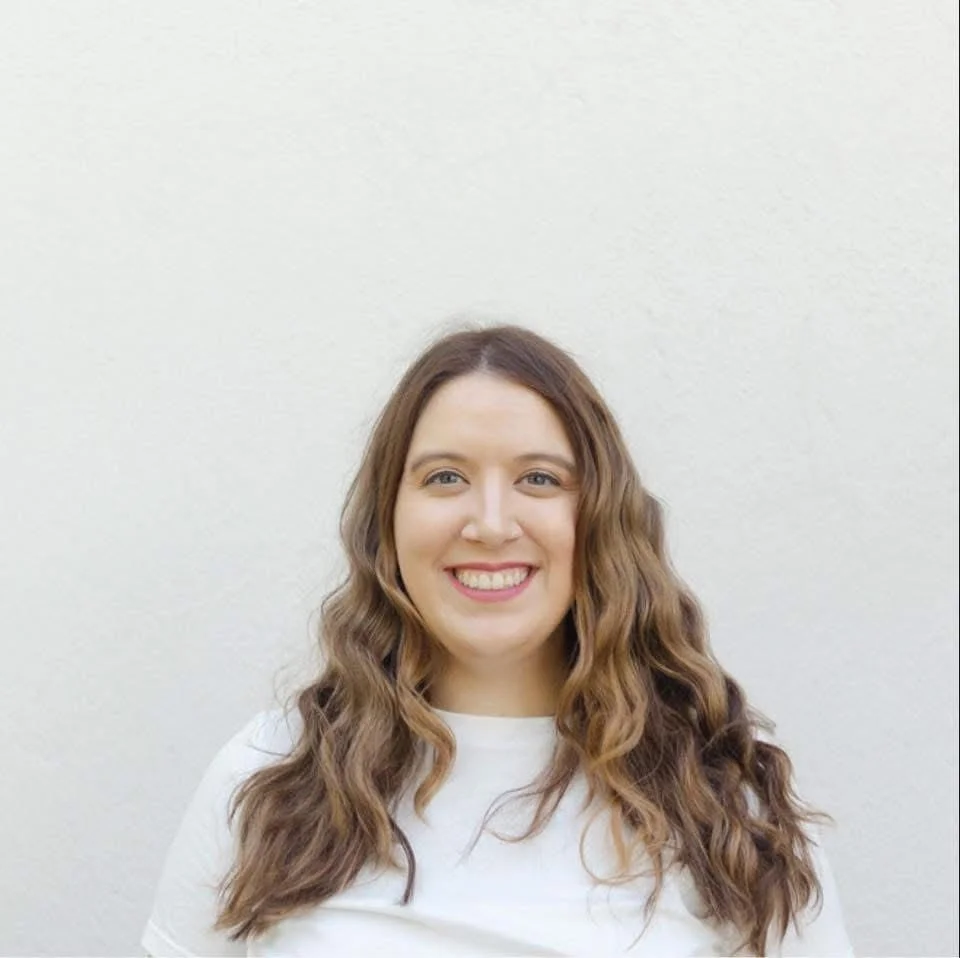
What does substance use therapy with Dr. Sievers look like?
Sometimes substance use treatment becomes so focused on the substance use itself, the rest of the person gets lost. On the other hand, general mental health counseling doesn’t always give substance use the attention it deserves. And effective treatment requires your therapist consistently check in about your substance use itself.
I don’t think we should have to choose between understanding your substance and understanding you as a person.
As a psychologist, I consider the biological, psychological, relational, environmental, and societal factors that influence your substance use, while also examining how the substance use itself may affect your mental health, relationships, and your holistic well-being.
My approach is collaborative, but it isn’t passive. I’ll ask questions, offer observations about patterns, and sometimes challenge you to consider perspectives you haven’t explored. I won’t decide what recovery should look like for you, but I also won’t sit quietly by when I notice patterns that might be keeping you stuck.
Depending on your goals, our work might include motivational interviewing, cognitive behavioral strategies, safety planning, exploring the role substances play in your life, and developing ways to reduce substance-related risks. It might also include referrals to medication assisted treatment, primary care specialists competent in treatment co-occurring substance use, and peer support and group programming as needed and wanted.
Experience & Specialized Training
I’ve worked in substance use treatment since 2015 and, in addition to my PhD in Counseling Psychology, I hold a graduate certificate in substance use counseling.
My specialized training includes Cognitive Behavioral Therapy for Substance Use Disorders (CBT-SUD) through the Department of Veterans Affairs and motivational interviewing with trainers certified by the Motivational Interviewing Network of Trainers (MINT).
I’ve provided individual, couples, and group treatment in harm reduction clinics, college counseling centers, abstinence only based programs, outpatient settings, and residential facilities. My experience includes substance use assessment and developing multiple substance use treatment programs and trainings, most notably at the University of Texas at Austin CMHC.
Substance use isn’t simply an area of clinical interest for me. It’s work I’ve spent over a decade studying, practicing, and helping other clinicians do well.
Beyond my substance use specialization, I have extensive training and experience in trauma-informed psychotherapy. I completed a post doctoral residency in trauma psychology, and have spent nearly a decade working with survivors of interpersonal violence and individuals affected by combat-related trauma. I also participate in ongoing consultation with specialists in trauma and substance use.
This background informs how I understand the intersections of substance use, trauma, and relationships. Rather than treating these experiences as separate concerns, I’m interested understanding how they interact and influence the ways people cope, connect with others, and navigate their lives.