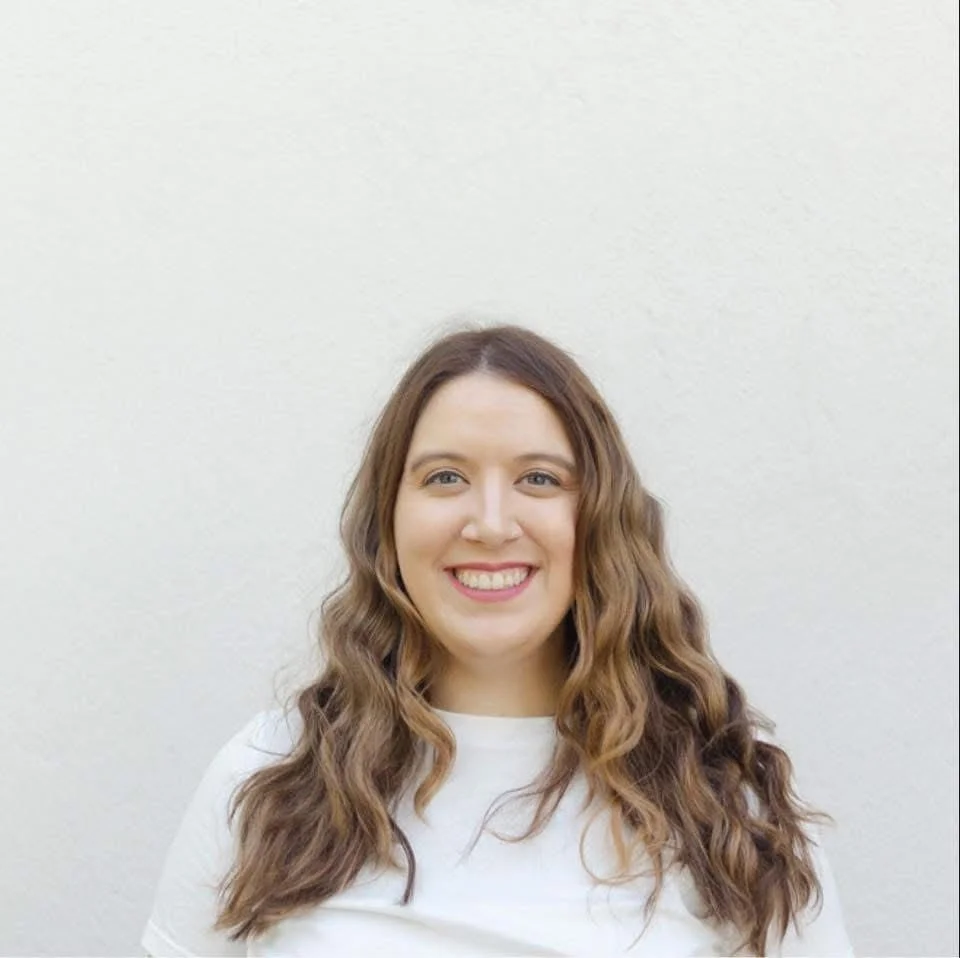
Hi. I’m Dr. Brittany Sievers.
I'm a licensed clinical psychologist providing online therapy for individuals and couples in Illinois, Texas, and 40+ PSYPACT states.
I work with people who have done a lot of thinking about themselves. Maybe you've read the books, learned the communication skills, identified your attachment style, and can explain exactly why you do the things you do. And yet, somehow, you keep finding yourself in the same arguments, the same relationships, or the same patterns.
Turns out, knowing why we do something and actually doing something different are two very different things.
That's where I come in.
I'm a therapist who likes to get into the thick of things. I'm curious about the messy, contradictory, and sometimes downright absurd ways we humans navigate relationships, cope with pain, and try to protect ourselves. I believe our behaviors make sense when we understand where they come from, but that doesn't mean they always serve us well.
Therapy with me is active, collaborative, and genuinely engaged. I'll listen closely, ask direct questions, and point out patterns that might be difficult to see from the inside. I'm also comfortable naming the things that can feel too uncomfortable, embarrassing, or complicated to say out loud.
But there's a difference between being direct and being judgmental. I'm not here to shame you, catch you doing something wrong, or push you into conversations you're not ready to have. I want us to be able to look honestly at the difficult stuff together, with enough trust and curiosity that you don't feel the need to hide the parts of yourself you're most afraid of showing.
And we'll laugh, too. Because sometimes being a human is just funny. We can recognize the absurdity of our own behavior, even the stuff we're not particularly proud of, without making ourselves wrong or bad for it. I bring warmth, humor, and a healthy appreciation for just how complicated people can be.
I take this work seriously, but I don't believe that means we have to take ourselves seriously every minute of it. There's room for honesty, discomfort, laughter, and a whole lot of humanity in the same conversation.
Who I Work With

I work with individuals and couples who:
feel overwhelmed by recurring conflict or emotional distance
grew up around emotional unpredictability, substance use, or difficult family dynamics
find themselves shutting down, overextending, or having reactions that seem bigger than the situation calls for
are navigating substance use in their own lives or relationships, whether they're looking to make changes or simply understand it better
feel shame about struggling in their relationships despite trying hard to “get it right”
want deeper emotional connection, not just better communication
are ready to look honestly at their own contributions to difficult patterns rather than staying stuck in the blame game
are trying to build something healthier than what they experienced growing up
You don't have to fully understand why these patterns exist before coming to therapy. Part of our work is making sense of how your experiences have shaped the ways you protect yourself, respond to others, and navigate closeness. And while those patterns may have made sense at one point in your life, they don't have to keep determining how you show up in your relationships today.
The goal isn't to become someone who never gets upset, makes mistakes, or struggles in relationships. It's to develop a deeper understanding of yourself, take responsibility for the things you can change, and build relationships that feel more connected, honest, and fulfilling.

Maybe you've been to therapy before. You've talked about drinking too much, shutting down when things get difficult, or the arguments with your partner that seem to happen on repeat. You've gotten advice, learned some coping skills, and developed a pretty good understanding of what you should be doing differently.
But knowing what to do and actually being able to do it are two very different things.
I'm interested in the bigger questions. Why does alcohol feel like the only way to finally relax? Why does a seemingly innocent comment from your partner leave you feeling so hurt or angry? Why do we keep returning to patterns that we know are causing problems, even when we genuinely want things to change?
Our behaviors don't develop in a vacuum. They're shaped by our histories, relationships, cultural expectations, and the ways we've learned to cope with difficult experiences. Sometimes the very strategies that helped us get through one chapter of life become the things keeping us stuck in the next.
Some of the most powerful moments in therapy happen when something finally clicks. When we connect a reaction you're having today to an experience you've carried for years, and suddenly what once felt confusing or frustrating makes sense in a whole new way. It's one thing to understand something intellectually; it's another to recognize it in yourself, feel its significance, and begin to respond differently.
I don't believe therapy should make you choose between understanding yourself and changing your behavior. Good therapy does both.
We'll pay attention to what's happening in your life week to week, identify opportunities to do things differently, and develop practical strategies for change. But we'll also get curious about why those patterns are so hard to let go of in the first place.
Because sometimes knowing exactly what you should do doesn't come close to explaining why doing it feels so damn hard.
What Might be Different About Working with Me
A Social Justice Informed Approach
My work is trauma-informed and grounded in a social justice perspective. I have done and continue to do the educational and personal work it requires to not re-create the same power imbalances in the therapy room that exist in society. Safely expressed anger is welcome in the therapy space, all relationship structures are welcome and encouraged, and I work hard to be a person that understands how to challenge oppression in the room and also encourage and incorporate cultural strengths and values.
I recognize that people are shaped not only by their families but also by the communities, cultures, and systems they move through.
Experiences of racism, sexism, heterosexism, transphobia, poverty, discrimination, immigration-related stress and xenophobia, and other forms of marginalization can profoundly affect how people experience safety, trust, belonging, and connection.
These experiences are not side considerations. They are part of the context people bring into relationships, and they deserve thoughtful attention in the therapy room.
The Experience Behind my Approach
I've spent my career working with people whose lives, relationships, and struggles don't always fit neatly into boxes. I've sat with people who have been deeply hurt by others, and I've sat with people who have deeply hurt others. I've witnessed intense shame, painful disclosures, overwhelming emotions, and couples whose arguments can fill the entire room.
I'm not easily rattled by the hard stuff. And I don't believe people need to make their experiences more palatable to talk about them in therapy.
What interests me most is the story of how someone got to where they are. What happened along the way? What did they learn about themselves and other people? How did they learn to cope, protect themselves, or navigate relationships? And how might those same patterns be showing up in their lives today?
My Background & Training
PhD in Counseling Psychology, with extensive doctoral training in evidence-based psychotherapy, including individual, couples, and group therapy.
Former Substance Use Program Coordinator at the University of Texas at Austin, leading specialized substance use programming and providing clinical services to university students.
Former Substance Use Psychologist with the Veterans Health Administration, providing veterans with evidence-based treatment for substance use and co-occurring mental health concerns, with attention to how combat-related, interpersonal, and developmental trauma can shape substance use and recovery.
Clinical residency at the University of Illinois, specializing in substance use assessment, counseling, and co-occurring trauma.
Two years of postdoctoral trauma training in Chicago, focused on the lasting effects of domestic violence, sexual violence, and other complex traumatic experiences.
Specialized couples therapy training, including a six month course in graduate school on Emotionally Focused Therapy (EFT) with live supervision, an ICEEFT certified EFT externship, clinical supervision with a certified EFT supervisor, and ongoing training in Relational Life Therapy (RLT).
My experience also includes residential treatment for substance use, working with medication management teams for substance use disorders, university teaching, and training fellow clinicians in evidence-based approaches to substance use and complex mental health concerns.
My clinical work draws on harm reduction, motivational interviewing, CBT for substance use disorders, and relational and stage-oriented approaches to trauma. My practice is explicitly pro-liberation and focused on egalitarian relationships, however you might define that for yourself, and attentive to the ways identity, culture, power, and social conditions shape our lives and relationships.